
Monte Silveira: From Conventional Farming To Regenerative Resilience
Located in the heart of Portugal's Beira Baixa region, near the Spanish border, Idanha-a-Nova is a place where ancient history meets agricultural innovation. One of Portugal's oldest settlements, with roots going back to Roman times, this municipality is now at the forefront of regenerative agriculture in the Iberian Peninsula. The climate here is typical Mediterranean: hot, dry summers with temperatures often exceeding 30 °C (peaking at 38–42°C) and cool, wet winters averaging 8–10 °C. Rainfall ranges from 537 to 741 mm per year, mostly falling between October and March, while summer months are extremely dry (July with only 4–5 mm on average).
This climate creates real challenges for farming. Water scarcity and soil erosion are constant concerns during the long, hot, rainless summer. High temperatures and intense sun put pressure on soil organic matter and make it hard to establish crops. But farms like Monte Silveira are proving that regenerative practices can turn these challenges into opportunities. By working with nature instead of against it, they're building healthier soils, retaining more water, and creating more resilient ecosystems.
Monte Silveira's journey reflects that of many Mediterranean farms. For decades, it followed conventional agriculture in tobacco production, focused on short-term yields. In 1999, the farm went organic, but it was in 2017 that the owner João Valente realized organic alone wasn't enough: the soil itself needed to be regenerated, not just protected from further harm. Since then, Monte Silveira has implemented a comprehensive suite of regenerative practices: no-till farming, diverse cover crop mixtures, planned rotational grazing with cattle, sheep and pigs, and the preservation of 500 hectares of montado. The results are measurable: soil organic matter has increased from 0.7% to over 5%, water retention has improved dramatically, and biodiversity has returned to land that was once dry and depleted. In 2023, Monte Silveira became one of Europe's first farms to achieve Regenerative Organic Certified (ROC) status, solidifying its role as a lighthouse farm for regenerative agriculture in the Mediterranean.
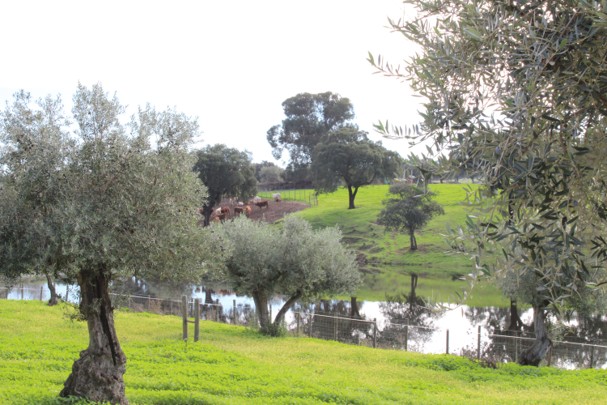
As part of the IBERSOILL, Monte Silveira is implementing key carbon farming practices within the LILAS4SOILS project. The main intervention is direct seeding (no-till) to protect soil structure and reduce erosion, combined with crop rotation and consociations between commercial crops and cover crops to enhance biodiversity and soil fertility. The farm also uses animal integration to utilize crop residues, close nutrient loops, and increase organic matter through manure deposition and natural soil tillage.
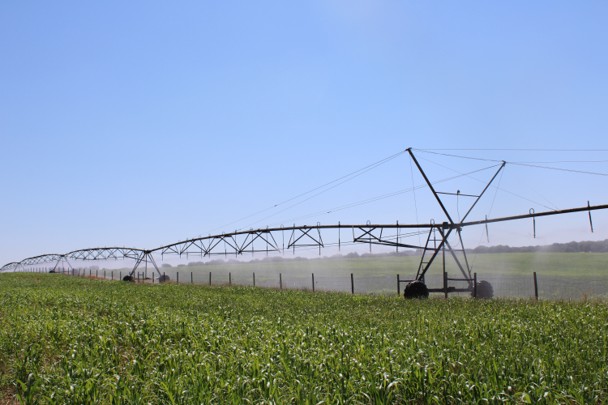
Despite the clear benefits, there are challenges identified by Monte Silveira in the transition to regenerative agriculture. Economically, regenerative farming takes time to pay off, and many farmers struggle with the upfront costs. There is also a gap in technical knowledge, because not everyone knows how to adapt these practices to their own farms. And the climate itself doesn't make it simple: extreme heat, drought, and unpredictable rain can complicate everything from planting cover crops to planning grazing and the implementation of other practices.
Do you want to know more about this farm? See more in the link: https://www.montesilveira.com/

Funded by the European Union (Grant no. 101157414). Views and opinions expressed are however those of the author(s) only and do not necessarily reflect those of the European Union, European Research Executive Agency (REA). Neither the European Union nor any other granting authority can be held responsible for them.

